Comprehensive Digital Asset Risk Management Framework for Financial Institutions
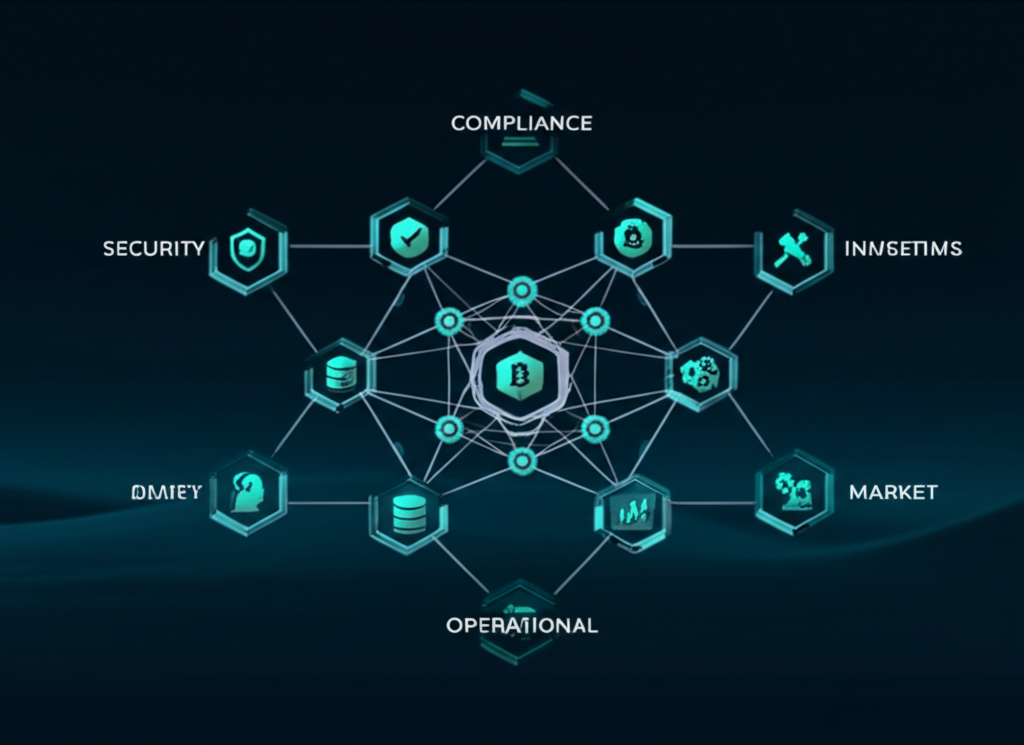
As digital assets continue to gain mainstream adoption, financial institutions face the critical challenge of developing comprehensive risk management frameworks that address the unique characteristics of blockchain-based securities while maintaining regulatory compliance and operational resilience.
The Evolution of Digital Asset Risk
Traditional risk management frameworks, while foundational, require significant adaptation to address the multifaceted risks inherent in digital assets. These risks span across technological, operational, market, and regulatory dimensions, each requiring specialized assessment methodologies and monitoring capabilities.
Core Components of Effective Risk Management
1. Real-Time Monitoring Infrastructure
Modern digital asset risk management requires continuous, real-time monitoring of blockchain networks, smart contracts, and tokenized asset performance. This includes:
- Network health and consensus mechanism stability
- Smart contract execution and upgrade governance
- Liquidity and market depth analysis
- Cross-chain bridge security and operational status
2. Multi-Dimensional Risk Assessment
Effective frameworks must evaluate risks across multiple dimensions:
- Technical Risk: Smart contract vulnerabilities, network congestion, and protocol upgrades
- Operational Risk: Key management, custody solutions, and operational procedures
- Market Risk: Volatility, liquidity, and correlation with traditional assets
- Regulatory Risk: Compliance with evolving regulations and reporting requirements
3. Automated Compliance and Reporting
Given the 24/7 nature of blockchain networks, automated compliance monitoring and reporting systems are essential for maintaining regulatory adherence and operational oversight.
Implementation Best Practices
Phased Approach
Successful implementation typically follows a phased approach:
- Assessment Phase: Comprehensive evaluation of existing risk management capabilities and identification of gaps
- Infrastructure Development: Implementation of monitoring systems and risk assessment tools
- Integration Phase: Seamless integration with existing risk management and compliance systems
- Optimization: Continuous refinement based on market developments and regulatory changes
Stakeholder Engagement
Successful digital asset risk management requires coordination across multiple stakeholders:
- Risk management teams
- Compliance and legal departments
- Technology and cybersecurity teams
- Business units and product managers
- External auditors and regulators
Future Considerations
As the digital asset ecosystem continues to evolve, risk management frameworks must remain adaptable and forward-looking. Key areas of focus include:
- Integration with emerging technologies such as AI and machine learning
- Adaptation to new blockchain networks and consensus mechanisms
- Evolution of regulatory requirements and industry standards
- Cross-border coordination and international regulatory harmonization
Conclusion
The development of comprehensive digital asset risk management frameworks represents a critical enabler for institutional adoption of blockchain-based securities. By addressing the unique risks associated with digital assets while maintaining the rigor and reliability expected in traditional finance, these frameworks provide the foundation for safe and sustainable growth in the tokenized asset market.
Financial institutions that invest in robust digital asset risk management capabilities today will be best positioned to capitalize on the opportunities presented by the ongoing digital transformation of capital markets.